Dr. Gymbro
←

#sprint performance

3 articles
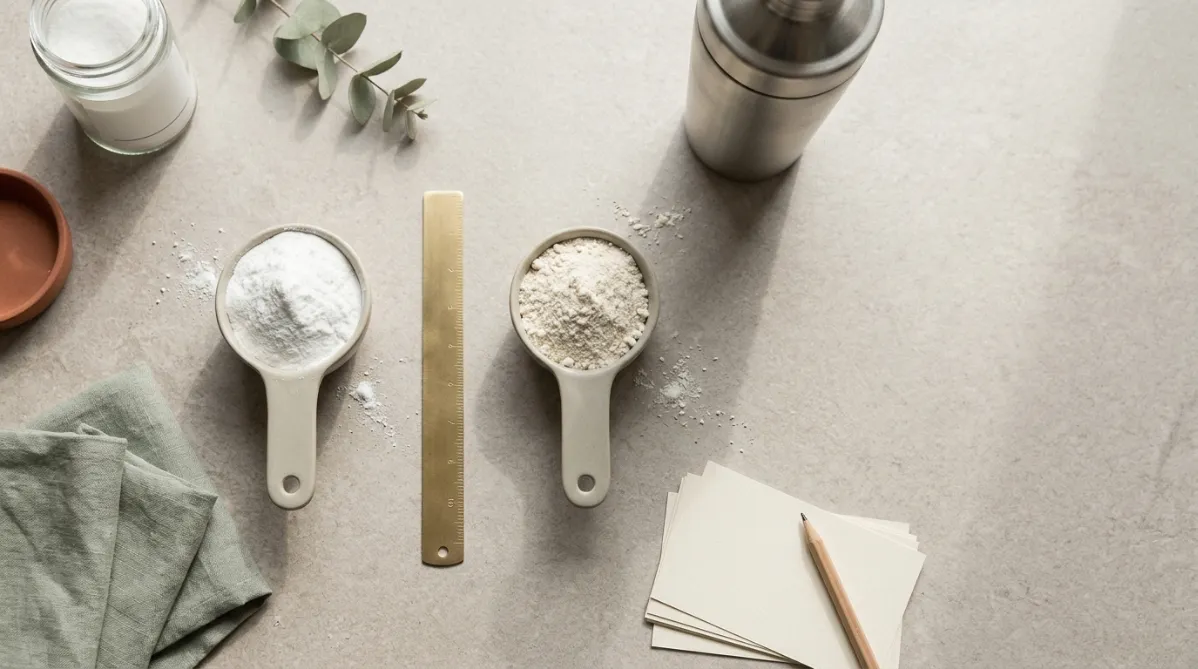
A bright, minimalist flat-lay photograph of two supplement scoops on a pale warm-gray stone surface, shot from directly above in soft natural window light. On the left, a matte ceramic scoop holds fine white creatine monohydrate powder, heaped in a clean mound. On the right, a second scoop of the same shape holds slightly coarser off-white beta-alanine powder, with a small, deliberate gap between the two. Each scoop sits in its own soft shadow, which suggests separation rather than combination. Between them, a thin brushed-brass ruler or a single slim line of fine powder runs across the surface and subtly divides the composition.

Around the scoops, a few restrained props in a muted editorial palette of sage green, cream, terracotta, and soft charcoal: a small glass jar with a minimalist label that has no readable text, a folded linen napkin, a single sprig of eucalyptus, and a stainless-steel shaker bottle softly out of focus in the upper corner. A few loose powder grains are scattered naturally across the stone. A small stack of blank cream index cards with a pencil rests in the lower right, hinting at research and note-taking without any legible writing.

The composition follows a clean rule-of-thirds layout, with generous negative space on the right third for headline overlay. The lighting is gentle and diffused, with long, soft shadows falling to the lower left. The color grading is calm and slightly desaturated, with creamy highlights and a subtle film-like grain. The overall look is a modern wellness and science journal cover, with an airy, trustworthy, contemporary editorial feel, shallow depth of field, and crisp detail on the powders.
nutrition

Kreatyna + beta‑alanina: dodatkowy stack, którego nie potwierdzili badacze

BY DR. GYMBRO ·

Stos kreatyny z beta‑alaniną jest reklamowany jako duet podnoszący wyniki, ale najnowsza sieciowa meta‑analiza 52 randomizowanych badań nie wykazała ich synergii. Sama kreatyna znacząco poprawiła sprint, skoki, powtarzalne sprinty i wytrzymałość górnych partii ciała w porównaniu z placebo. Efekty beta‑alaniny były nieistotne lub zależne od kontekstu, a połączenie nie dodało nic ponad czystą kreatynę. Oto co badanie wykazało, jakie ma ograniczenia i co to oznacza dla twojego budżetu suplementów.
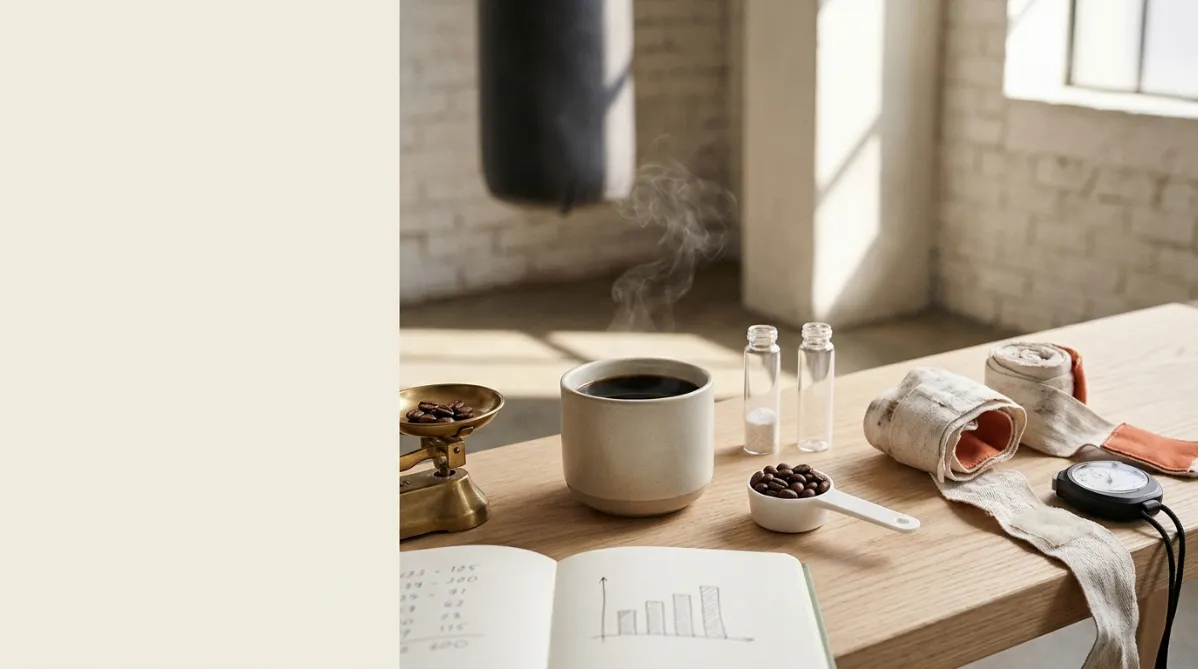
A wide, editorial-style still life shot from a slightly elevated angle on a pale oak gym bench, bathed in soft morning window light. In the center sits a matte ceramic cup of black coffee with delicate steam curling upward, flanked by a small white scoop of coffee beans and two identical glass vials, one filled with a few grains of fine powder and one empty, hinting at dose comparison. Next to the cup rests a pair of worn white boxing hand wraps, loosely coiled, and a slim black stopwatch with its face softly visible. In the foreground, a minimalist notebook lies open with blurred handwritten numbers and a simple pen sketch of a bar graph with bars of equal height, subtle and unreadable, suggesting a null result without any legible text. A small brass kitchen scale sits to the side with a few coffee beans on its tray.

In the soft-focus background, a boxing gym interior is visible: a hanging heavy bag in muted charcoal, exposed brick wall painted off-white, and tall windows casting long diagonal light across the floor. The color palette is warm and restrained: cream, sand, espresso brown, soft charcoal, with a single accent of muted terracotta orange in the hand wraps and a faint sage green in the notebook cover. Shallow depth of field with creamy bokeh, fine film grain, and gentle shadows give it a contemporary lifestyle-magazine and wellness-journal feel. The composition leaves generous negative space on the left third for headline overlay. Clean, calm, trendy, and tactile, with natural textures like wood grain, ceramic glaze, and cotton fabric. No people, no text, no futuristic elements.
science research

Kawa z niską dawką kofeiny nie zwiększyła prędkości sprintu u elitarnych zawodników

BY DR. GYMBRO ·

Myślisz, że kawa przed treningiem napędza twoje sprinty? Nowe, randomizowane i podwójnie zaślepione badanie z udziałem 15 zawodników sportów walki na szczeblu krajowym nie wykazało korzyści wydolnościowych przy dawkach kofeiny 1,5 mg/kg i 3 mg/kg (około 100 mg i 200 mg dla sportowca ważącego 68 kg). Szczytowa moc, średnia moc, wskaźnik zmęczenia oraz szacowane udziały systemów energetycznych nie różniły się od kawy bezkofeinowej. To jednak mały wynik zerowy, nie dowód, że kofeina nie działa – większość pozytywnych badań używa kapsułek w dawkach 3‑6 mg/kg. Poniżej znajdziesz wyliczenia dawek, ograniczenia badania i praktyczne wskazówki na kolejny trening.
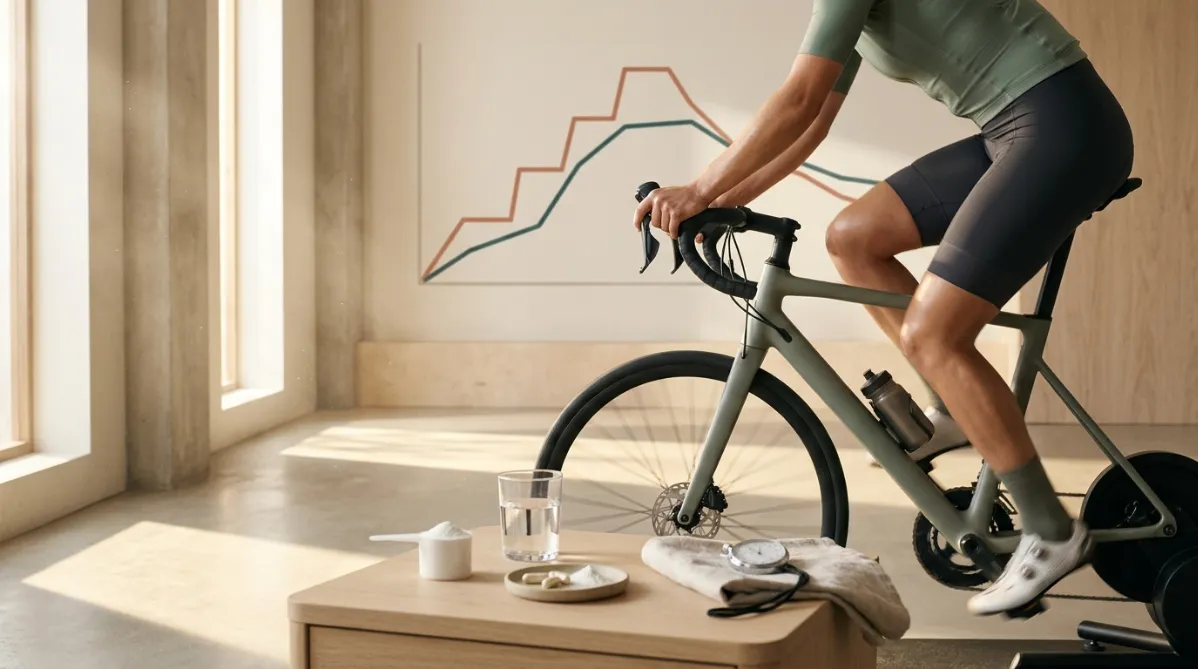
A wide, editorial-style photograph of a lone cyclist's legs and torso mid-sprint on a stationary indoor bike in a bright, minimalist performance studio. The scene is shot from a low three-quarter angle with shallow depth of field. The cyclist wears matte charcoal shorts and a fitted sage-green top, with a subtle sheen of sweat catching soft window light. Their hands grip the handlebars and the pedals are caught in a slight motion blur, which conveys explosive effort.

In the foreground, slightly out of focus on a pale oak side table, sit a small matte white scoop and a clear glass of water. Next to them is a little ceramic dish holding a few off-white capsules and a pinch of fine white powder. A folded linen towel and a slim stopwatch rest nearby. The stopwatch face is softly legible, hinting at timed sprint intervals.

The background is warm cream concrete and pale wood, with tall windows casting long diagonal shafts of golden morning light across the floor. Faint dust motes drift in the light. On the wall behind, a clean, abstract line graph is painted in muted terracotta and deep teal. It shows one line rising in steps like five sprint bouts and another line gently falling, a subtle visual nod to power up and lactate down. The graph is minimal and stylized, with no readable numbers or text.

The color palette is earthy and modern: sage green, terracotta, warm cream, soft charcoal, and touches of natural wood. The lighting is soft and directional with gentle highlights and natural shadows. The overall look is calm, refined, and contemporary, like a premium wellness and sports science magazine cover. The composition follows the rule of thirds, with the cyclist on the right and open negative space on the left for a headline. The image is crisp, grainy in a subtle film-like way, and free of any futuristic or sci-fi elements.
science research

Ta forma karnityny podniosła moc sprintu o 15 % i obniżyła poziom mleczanu

BY DR. GYMBRO ·

Badanie krzyżowe z 2009 roku wykazało, że jednorazowa dawka 4,5 g glikozyny propionyl‑L‑karnityny (GPLC) zwiększyła maksymalną i średnią moc sprintu od 2,6 % do 15 % w pięciu seriach maksymalnych jazd na rowerze, a poziom mleczanu we krwi po 14 minutach od zakończenia wysiłku był o 16,2 % niższy. Należy jednak podkreślić, że 15 % to maksymalny wynik w przedziale, a nie średni przyrost, a badanie obejmowało zaledwie 24 mężczyzn w jednym laboratorium. Artykuł wyjaśnia, czym GPLC różni się od zwykłej L‑karnityny i ALCAR, jak wpisuje się w teorię tlenku azotu oraz dla kogo może być przydatna. Omówiono także dawkowanie, moment przyjęcia i ograniczenia dostępnych dowodów.

This page is available in